Elevate Your Space: Infusing Spiritual Serenity with Mandala Designs and Unlocking the Secrets of Mood Stones
In today's fast-paced world, creating a sanctuary within your own home has become more important than ever. The spaces we inhabit directly influence our mental, emotional, and spiritual well-being. At OaklynHayes, we understand that true comfort extends beyond mere physical comfort—it encompasses the energy and atmosphere that surrounds us. This comprehensive guide explores two powerful tools for transforming your living space into a haven of spiritual serenity: mandala designs and mood stones. Together, these elements can create an environment that nurtures your soul, calms your mind, and elevates your entire existence.
Understanding the Power of Mandala Designs
The Ancient Origins of Mandalas
Mandalas have existed for thousands of years, originating in Hindu and Buddhist traditions. The word "mandala" comes from Sanskrit, meaning "circle" or "complete whole." These intricate geometric patterns represent the universe, wholeness, and the infinite nature of existence. In ancient times, monks and spiritual practitioners created mandalas as meditation tools, using them to focus their minds and connect with higher consciousness.
The circular nature of mandalas is not arbitrary. Circles symbolize completeness, unity, and the cyclical nature of life. The patterns radiating from the center represent the journey from the material world to the spiritual realm. Each element within a mandala carries symbolic meaning, from the colors used to the geometric shapes incorporated into the design. When you surround yourself with mandala designs, you're essentially inviting these ancient spiritual principles into your modern living space.
The Psychological Impact of Mandala Patterns
Beyond their spiritual significance, mandalas have profound psychological effects on the human mind. Research in color psychology and visual perception has shown that symmetrical patterns, particularly those found in mandalas, have a naturally calming effect on the brain. When we view a mandala, our eyes naturally follow the patterns toward the center, creating a meditative experience that can lower stress levels and promote relaxation.
The repetitive nature of mandala patterns engages the brain in a way that quiets mental chatter. This is why many people find coloring mandalas to be therapeutic. The act of focusing on intricate patterns forces the mind to abandon worries about the past or future, anchoring consciousness firmly in the present moment. This is the essence of mindfulness, a practice increasingly recommended by mental health professionals for managing anxiety and depression.
Incorporating Mandalas into Your Home Decor
There are countless ways to bring mandala designs into your living space. Wall art featuring mandala patterns can serve as a focal point in any room, drawing the eye and creating a sense of balance and harmony. Large mandala tapestries can transform an entire wall, creating an immersive spiritual atmosphere. For those who prefer subtlety, smaller mandala prints, framed artwork, or decorative plates can add touches of spiritual elegance without overwhelming the space.
Mandala designs also work beautifully in textiles. Throw pillows, blankets, and rugs featuring mandala patterns can add comfort and visual interest to your furniture while maintaining the spiritual aesthetic. Bedding with mandala designs can transform your bedroom into a peaceful retreat, promoting better sleep and more restful nights. In the living room, mandala-patterned curtains or window treatments can filter light in a way that creates a soft, meditative ambiance.
For those interested in a more immersive approach, consider creating a dedicated meditation space in your home. A corner adorned with mandala wall art, mandala floor cushions, and mandala-patterned meditation mats can become your personal sanctuary. This space becomes a visual reminder of your commitment to spiritual growth and inner peace.
The Color Psychology of Mandalas
The colors within mandala designs carry their own spiritual and psychological significance. Understanding these color meanings can help you choose mandalas that align with your specific intentions and needs.
Red mandalas represent passion, energy, and vitality. They're excellent for spaces where you want to encourage motivation and action. Orange mandalas symbolize creativity, enthusiasm, and joy, making them perfect for creative spaces or areas where you want to foster positive energy. Yellow mandalas represent intellect, clarity, and optimism, ideal for home offices or study areas. Green mandalas embody healing, growth, and balance, making them wonderful for bedrooms or relaxation spaces. Blue mandalas promote calm, communication, and spiritual awareness, perfect for meditation rooms or spaces dedicated to reflection. Purple mandalas represent spirituality, intuition, and transformation, ideal for creating a deeply spiritual atmosphere.
By selecting mandalas in colors that resonate with your intentions, you create a more personalized and effective spiritual environment. You might choose different mandalas for different rooms, each supporting the specific purpose of that space.
The Transformative Power of Mood Stones
What Are Mood Stones and How Do They Work?
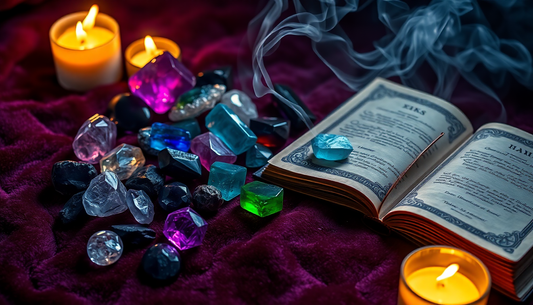
Mood stones, also known as mood rings or mood crystals, are fascinating objects that have captured human imagination for decades. These stones are typically made from thermochromic materials that change color in response to temperature fluctuations. The concept is based on the idea that our emotional states affect our body temperature, and therefore, the color changes in mood stones can reflect our emotional condition.
While the scientific mechanism behind mood stones is relatively straightforward—thermochromic materials simply respond to heat—the spiritual and emotional significance people attribute to them is profound. Many believe that mood stones serve as mirrors for our inner emotional landscape, helping us become more aware of our feelings and emotional patterns. Whether you approach mood stones from a scientific or spiritual perspective, their value in promoting self-awareness and emotional intelligence is undeniable.
Understanding Mood Stone Color Meanings
Each color that a mood stone displays carries specific emotional and spiritual significance. Learning to interpret these colors can provide valuable insights into your emotional state and help guide your personal development.
Black or dark colors typically indicate stress, tension, or negative emotions. When your mood stone displays black, it's a signal to pause and assess what might be causing you anxiety or discomfort. This is an opportunity to practice self-care and stress-relief techniques.
Brown or amber colors suggest a grounded, calm state. This color indicates that you're feeling stable and centered, connected to the earth and your physical reality. It's a positive state for productivity and practical action.
Green represents balance, healing, and harmony. When your mood stone turns green, you're likely experiencing emotional equilibrium and peace. This is an ideal state for personal growth and positive interactions with others.
Blue indicates calm, peace, and spiritual awareness. A blue mood stone suggests you're in a meditative, reflective state of mind. This is excellent for creative work and spiritual practices.
Purple or violet represents spiritual insight, intuition, and transformation. When your mood stone displays these colors, you may be experiencing heightened intuition or spiritual awareness.
Pink suggests love, compassion, and emotional openness. This color indicates a state of emotional vulnerability in the best sense—you're open to connection and love.
Yellow or gold represents joy, optimism, and mental clarity. When your mood stone displays these warm colors, you're likely feeling positive and mentally sharp.
The Spiritual Significance of Different Mood Stones
Different types of stones used in mood jewelry carry their own spiritual properties. Understanding these can help you choose mood stones that align with your spiritual practice and intentions.
Amethyst mood stones are associated with spiritual awareness and intuition. Amethyst is traditionally believed to enhance meditation and spiritual connection. Using an amethyst mood stone can deepen your spiritual practice and increase your awareness of subtle energetic shifts.
Rose quartz mood stones embody unconditional love and emotional healing. Rose quartz is known as the stone of the heart, promoting compassion and self-love. A rose quartz mood stone can serve as a reminder to approach yourself and others with kindness and understanding.
Clear quartz mood stones are associated with clarity, amplification, and spiritual energy. Clear quartz is believed to enhance the properties of other stones and to clarify intention. A clear quartz mood stone can help you gain mental clarity and focus your spiritual energy.
Black tourmaline mood stones are connected to protection and grounding. Black tourmaline is traditionally used for spiritual protection and grounding energy. A black tourmaline mood stone can help you feel more secure and centered.
Citrine mood stones represent abundance, prosperity, and positive energy. Citrine is known as the stone of abundance and is believed to attract prosperity and positive circumstances. A citrine mood stone can serve as a reminder of your worthiness and potential.
Incorporating Mood Stones into Your Daily Practice
To fully benefit from mood stones, it's important to incorporate them into your daily routine intentionally. Many people wear mood rings or keep mood stones in their pockets or bags, checking them throughout the day as a form of emotional check-in. This simple practice can significantly increase emotional awareness and help you recognize patterns in your emotional responses.
Consider starting your day by holding a mood stone and observing its color. This can serve as a baseline for your emotional state and set an intention for the day. Throughout the day, periodically check your mood stone to see how your emotional state is shifting. Notice what circumstances or interactions cause color changes. This awareness can help you identify triggers and develop healthier responses to stress.
In the evening, you might use a mood stone as part of a reflection practice. Hold the stone and think about the events of the day, observing how the color reflects your overall emotional experience. This practice can deepen your self-awareness and help you process emotions more effectively.
Creating a Mood Stone Collection
Many people find value in collecting different mood stones, each serving a specific purpose or intention. You might have a mood stone for work that helps you maintain focus and clarity, a mood stone for meditation that supports spiritual practice, and a mood stone for emotional healing that you use during challenging times.
Creating a collection also allows you to explore the different spiritual properties of various stones. You might dedicate time to working with each stone, learning its unique energy and how it affects your emotional and spiritual state. This exploration can deepen your connection to the natural world and enhance your spiritual practice.
Combining Mandalas and Mood Stones for Maximum Impact
Creating a Holistic Spiritual Environment
The true power emerges when you combine mandala designs with mood stones in your living space. Mandalas provide the visual, aesthetic foundation for spiritual serenity, while mood stones offer an interactive, personal tool for emotional awareness and growth. Together, they create a comprehensive approach to elevating your space and your consciousness.
Imagine a meditation room where mandala wall art creates a visually harmonious environment, while a mood stone in your hand provides real-time feedback on your emotional state during meditation. The mandala guides your visual attention inward, while the mood stone helps you track the subtle shifts in your consciousness as you deepen your practice. This combination creates a powerful synergy that amplifies the benefits of both tools.
Designing Your Sacred Space
To create a truly transformative space, consider the following design principles. Start with a clear intention for your space. Are you creating a meditation room, a healing space, a creative studio, or a bedroom sanctuary? Your intention will guide your choices in mandala designs and mood stone placement.
Choose mandala designs that resonate with your intention. If you're creating a healing space, select mandalas in greens and blues with patterns that feel soothing and gentle. If you're designing a creative studio, choose mandalas in warm colors like orange and yellow with more dynamic, energetic patterns.
Place mood stones strategically throughout your space. Keep one on your meditation cushion, one on your desk, one on your nightstand. Each location serves as a reminder to check in with your emotional state and maintain awareness throughout your day.
Consider the flow of energy in your space. In feng shui, the arrangement of objects affects the movement of energy, or chi. Place mandalas and mood stones in positions that feel balanced and harmonious. Avoid cluttering your space; instead, choose a few meaningful pieces that create a sense of calm rather than visual overwhelm.
Integrating Mandalas and Mood Stones into Daily Rituals
Create daily rituals that incorporate both mandalas and mood stones. Begin your morning by sitting in front of a mandala, holding a mood stone, and setting an intention for the day. Spend a few minutes allowing your eyes to follow the mandala's patterns while observing the color of your mood stone. This practice combines visual meditation with emotional awareness.
During work or study, keep a mood stone nearby and glance at it periodically. When you notice a color change, pause and reflect on what might have triggered the shift. This practice builds emotional intelligence and helps you develop healthier responses to stress.
In the evening, create a wind-down ritual. Sit in your sacred space, surrounded by mandala designs, and spend time with your mood stone. Reflect on the day, observe how your emotional state has shifted, and practice gratitude for the lessons learned. This ritual helps you process emotions and prepare for restful sleep.
The Science Behind the Spiritual: Understanding the Mechanisms
How Mandalas Affect Brain Function
Modern neuroscience has begun to validate what spiritual practitioners have known for centuries: mandalas have measurable effects on brain function. When we view symmetrical patterns like mandalas, our brains enter a state of relaxation. The visual cortex processes the patterns, and the repetitive nature of the design allows the mind to settle into a meditative state.
Brain imaging studies have shown that viewing mandalas activates the parasympathetic nervous system, which is responsible for the body's "rest and digest" response. This is the opposite of the sympathetic nervous system, which triggers the "fight or flight" response associated with stress. By regularly viewing mandalas, you're essentially training your nervous system to default to a more relaxed state.
Additionally, the act of focusing on a mandala's center engages the prefrontal cortex, the part of the brain responsible for attention and focus. This engagement helps quiet the default mode network, which is active when our minds wander and we engage in self-referential thinking. Reducing activity in the default mode network is associated with decreased anxiety and increased well-being.
The Temperature-Emotion Connection
The mechanism behind mood stones is based on a real physiological phenomenon: our emotional states do affect our body temperature. When we experience stress or anxiety, our sympathetic nervous system activates, causing blood vessels to constrict and body temperature to drop slightly. Conversely, when we're relaxed or experiencing positive emotions, our parasympathetic nervous system activates, causing blood vessels to dilate and body temperature to rise.
Mood stones, with their thermochromic materials, respond to these subtle temperature changes. While the color change itself doesn't cause emotional shifts, the act of observing the color change and reflecting on what it might indicate can increase emotional awareness. This awareness is the first step toward emotional regulation and personal growth.
The Power of Intention and Belief
Beyond the measurable physiological effects, there's another important mechanism at work: the power of intention and belief. When we believe that something will help us, our brains often create conditions that make that belief come true. This is not mere placebo effect; it's the brain's remarkable ability to shape our experience based on our expectations and beliefs.
When you use a mood stone with the intention of increasing emotional awareness, you're more likely to notice your emotional states and patterns. When you meditate on a mandala with the intention of finding peace, you're more likely to experience that peace. This is not because the objects have magical properties, but because your intention directs your attention and shapes your experience.
This principle is sometimes called the "observer effect" in psychology. Our attention shapes our reality. By intentionally using mandalas and mood stones, you're directing your attention toward spiritual growth, emotional awareness, and inner peace. This direction of attention naturally leads to the experiences you're seeking.
Practical Applications for Different Life Situations
Using Mandalas and Mood Stones for Stress Management
In our high-stress modern world, stress management is crucial for health and well-being. Mandalas and mood stones offer practical tools for managing stress in real-time. When you feel stress building, take a moment to hold a mood stone and observe its color. This simple act interrupts the stress response and brings you into the present moment.
Next, spend a few minutes gazing at a mandala. Allow your eyes to follow the patterns naturally, without forcing focus. As your mind settles into the visual meditation, your nervous system will begin to shift toward relaxation. Even five minutes of this practice can significantly reduce stress levels.
Create a stress-relief kit that includes a mood stone and a small mandala image or card. Keep this kit at your desk, in your car, or in your bag. Whenever you feel stress rising, take out your kit and use it as a grounding tool. Over time, this practice becomes a powerful habit that helps you maintain emotional equilibrium throughout your day.
Enhancing Sleep and Rest
Many people struggle with sleep issues related to stress, anxiety, or racing thoughts. Mandalas and mood stones can be powerful tools for improving sleep quality. Place a mandala image on your bedroom wall or ceiling where you can see it from bed. In the evening, spend a few minutes gazing at the mandala before sleep, allowing your mind to settle.
Keep a mood stone on your nightstand. Before bed, hold the stone and reflect on the day. Notice what emotions are present and consciously release them. This practice helps you process emotions rather than carrying them into sleep, leading to more restful nights.
Consider sleeping with a mood stone under your pillow or on your nightstand. Some people report that the presence of mood stones promotes more vivid dreams and deeper sleep. Whether this is due to the stone's energy or the power of intention and belief, the result is improved sleep quality.
Supporting Emotional Healing
If you're going through a difficult emotional period, mandalas and mood stones can provide valuable support. Choose mandalas in colors associated with healing,